

Contact us today to schedule an initial assessment or to learn more about our services. Whether you are seeking intensive outpatient care or simply need guidance on your mental health journey, we are here to help. Please understand can alcoholism be cured that you cannot force your loved one to stop drinking. And if you try to force him or her into rehab, you may do more harm than good.

Can alcohol addiction be cured?
- Programs may also link individuals with vital community resources, such as legal assistance, job training, childcare and parenting classes.
- Alcohol causes changes in our brain and our mind that make it hard to quit.
- Professionally led treatments include behavioral treatments and medications.
- Chronic alcohol abuse often leads to deficiencies in essential nutrients, especially B vitamins such as B12, thiamine, and folate, which are vital for nerve health.
Through this varied approach, we aim to not only treat the addiction but also to equip our clients with the life-changing skills and strategies needed for long-term https://ecosoberhouse.com/ recovery. If you do feel the urge to relapse, reach out to your therapist, sponsor or sober mentor (if applicable), a friend, or a family member. There’s no shame in having the urge to relapse, but telling someone sooner rather than later will allow them to get you the help you need. After completing treatment, the thought of relapsing can be scary. Many people fear that relapsing means they have undone all of the hard work previously done in treatment and that they will never achieve sobriety again.
- The first step in recovery is acknowledging that there is a problem with alcohol use.
- The numbness and inability to feel pain can make one more susceptible to burns or cuts, increasing the risk of infection.
- Try to answer these questions as fully and honestly as you can.
- Vitamin supplementation alone is generally not sufficient if alcohol use continues.
What to expect from your doctor
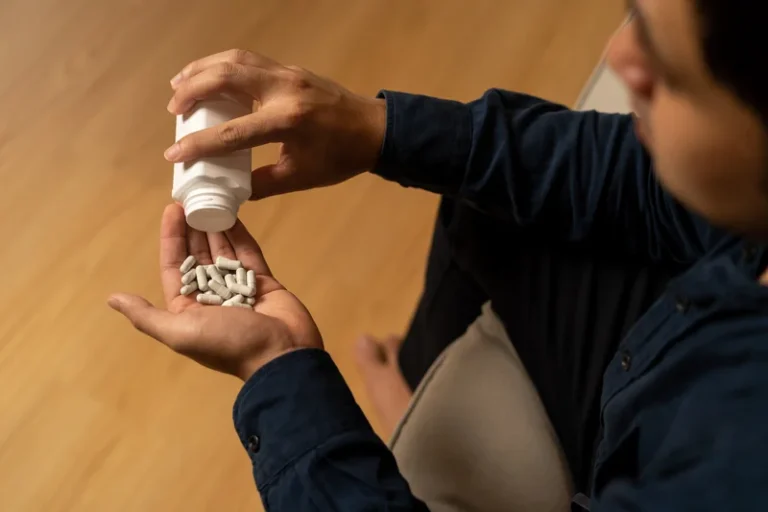
In general, alcohol consumption is considered too much—or unhealthy—when it causes health or social problems. This broad category of alcohol consumption comprises a continuum of drinking habits including at-risk drinking, binge drinking, and AUD. Because addiction can affect so many aspects of a person’s life, treatment should address the needs of the whole person to be successful.
- Speaking with a therapist, going to group counseling sessions, and attending 12-step programs are important parts of recovery.
- Occupational therapy focuses on training patients to perform activities of daily living using adaptive equipment if necessary.
- Alcoholism is a serious health condition, and can have devastating consequences on an individual’s physical and emotional health.
- It is generally recommended that you do not attempt to detox without medical supervision, as this can be dangerous or even life threatening, depending on how severe your addiction is.
- Vitamin deficiency — thiamine, especially — is common in alcoholics.
What Types of Psychiatrists Treat Addiction?
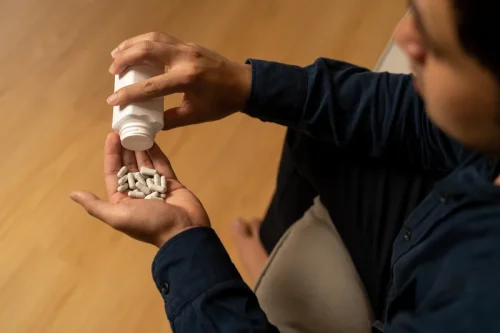
Residential treatment programs typically include licensed alcohol and drug counselors, social workers, nurses, doctors, and others with expertise and experience in treating alcohol use disorder. Treatment for alcohol use disorder can vary, depending on your needs. Treatment may involve a brief intervention, individual or group counseling, an outpatient program, or a residential inpatient stay. Working to stop alcohol use to improve quality of life is the main treatment goal. Alcoholism is a chronic disease caused by severe addiction to alcohol. Milder cases occur when people resort to alcohol but aren’t dependent marijuana addiction on it in any way.
One of the most common questions asked by those who have an alcohol addiction is whether the condition can be “cured”. This query reflects the hope and desperation of those affected and touches on a broader, more complex medical debate about what “cure” means. The chronic nature of addiction, with its deep physiological and psychological roots, means that treatment success is judged in more nuanced ways than cured or not cured.
Support groups can provide a safe and supportive environment for people to share their experiences and receive social support. Lifestyle changes, such as avoiding high-risk situations and environments, can also be important for staying sober. With the right treatment and support, long-term recovery from alcoholism is possible.
- Some people develop alcoholism because of pressure from their peers who are heavy drinkers too.
- About 70% of alcoholics who enter treatment and stay sober for at least a year remain sober for the rest of their lives.
- If the patient continues to drink, the disease will progress and affect the internal organs, digestion, basic balance and coordination, and even the urinary tract and sexual function.
- Alcoholic neuropathy results from damage to the nerves due to excessive alcohol drinking.
People with alcoholism may drink excessively and have difficulty controlling their drinking, or they may drink to cope with stressful situations. They may also drink more than they intended to, or feel like they need to drink in order to feel normal. There are also behavioural factors to addiction that make substances and processes tough to quit.